
What risks does endovenous ablation carry?
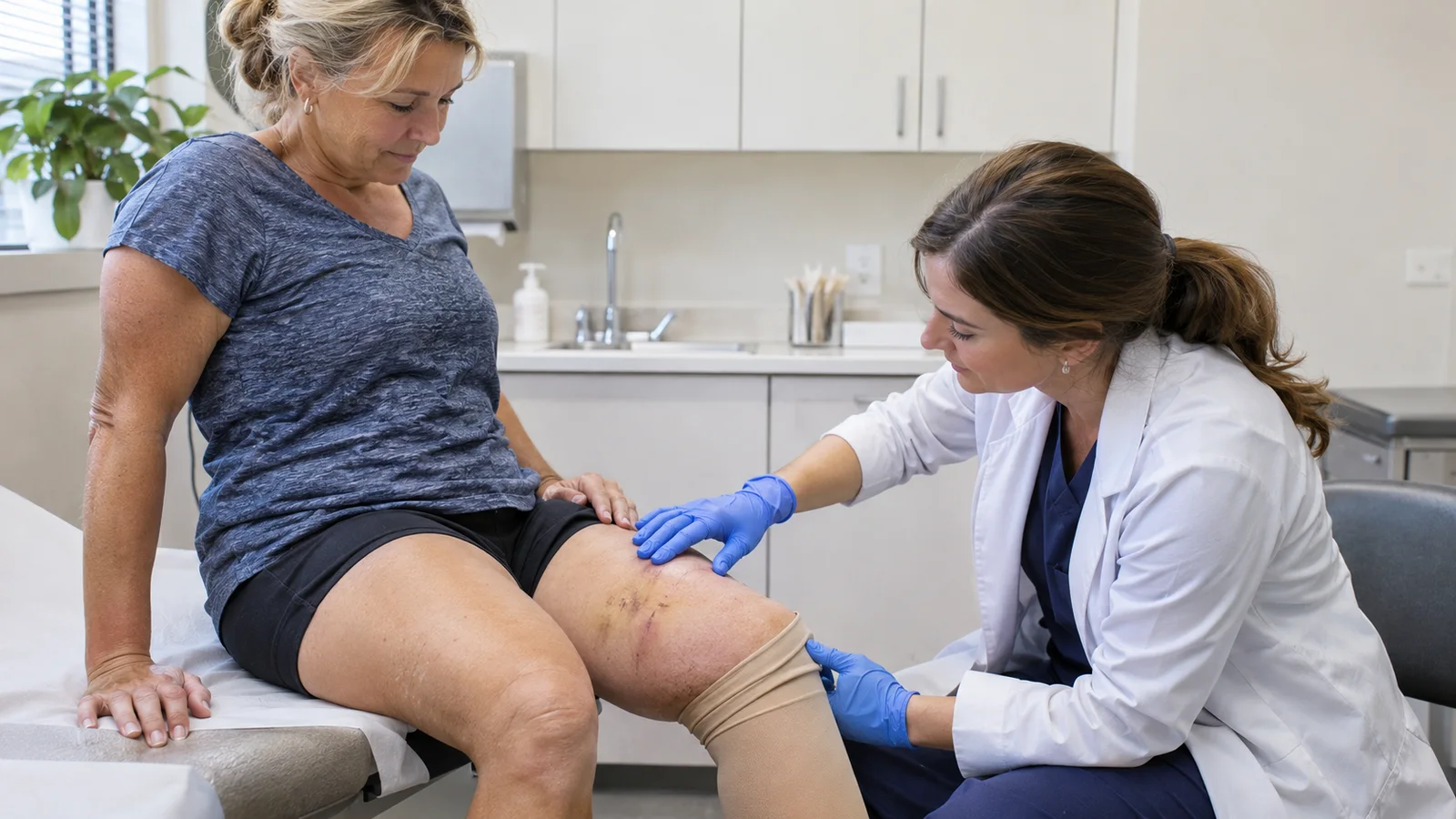
Asking about risk before a procedure is not nervous or fussy. It is the same careful habit you would use before any decision about your health, and endovenous ablation deserves the same care.
What the source says about safety
my.clevelandclinic.org says: "Endovenous thermal ablation is generally safe when a licensed and experienced provider performs it." The sentence has two parts worth holding onto. The first is the word "generally," and the second is the condition that the provider is licensed and experienced.
Why the provider matters in that sentence
You may not have a way to judge a procedure on your own, and you do not have to. The source ties its statement of safety to who performs the work. That gives you something practical to look at, because a provider's license and experience are things you can ask about directly.
Reading further without feeling lost
If you want more background on vein trouble, the Society of Interventional Radiology offers a page on superficial venous disease and chronic venous insufficiency. MedlinePlus covers varicose veins and spider veins, and my.clevelandclinic.org has a page on spider veins and how they are treated. Beyond those, my.clevelandclinic.org also describes vein stripping and ligation, which is a different vein procedure and a useful point of comparison when you read.
One simple next step
Before you agree to a procedure, ask who will perform it and what their license and experience look like. Write the answers down so you can compare them later. You can ask at a first visit, and readers in the townships of Frankfort and Rich can use the same question.
A diagnostician's closing note
A short question about the provider tells you more than a long guess about the procedure. Ask it plainly, listen to the answer, and keep asking until it makes sense to you.